If you’re worried about damp in your home, it’s natural to ask: how much does a damp survey cost, and what should a professional survey actually include?
In Scotland, the cost of a damp survey in 2026 varies depending on the situation. Some providers offer free surveys for owner-occupied homes, while pre-purchase and pre-sale surveys typically start at around £150 to £300 for a standard property. More detailed inspections and reporting commonly fall into the £200 to £500 range. The price of a damp survey can be higher for larger homes, complex construction, or where a broader damp and timber survey is needed.
This guide will help you understand pricing, what the survey involves, which type of damp you may be dealing with, and how to choose the right surveyor, including when it’s worth choosing a PCA-qualified damp surveyor for reassurance and peace of mind.
Table of Contents
Damp survey cost and pricing in Scotland in 2026
Let’s start with the numbers people care about, then we’ll explain what affects the damp survey cost.
Typical damp survey cost ranges
Across the UK, some providers offer free surveys for owner-occupied homes, while pre-purchase and pre-sale surveys typically start at around £150 to £300. More detailed surveys and written reports often fall into the £200 to £500 range.
That broadly matches what many Scottish homeowners see in practice: a damp survey for a typical flat or house is often priced within those ranges, depending on the property’s size and the survey’s scope.
Price of a damp survey for different situations
The price of a damp survey is often influenced by what you need the survey for:
- Homeowner reassurance: You’ve found damp and want clarity before committing to a repair or damp proofing work.
- Pre-purchase / pre-sale: You need a clear survey report for decisions, negotiations, or reassurance.
- Ongoing damp: You’ve had previous damp proofing or a repair, and you’re still seeing damp.
In each scenario, pricing reflects the time and evidence required to confidently identify the cause of damp.
Survey cost in the UK vs Scotland
You will sometimes see higher figures quoted for the most expensive regions (particularly big city centres) because operating costs and travel can affect pricing. But in terms of baseline expectations, Scotland generally sits within the same broad survey cost range as the rest of the UK, with local factors affecting the final figure.
Do you need a damp survey?
Before you spend money, it’s worth confirming whether you genuinely need a damp survey or whether a simple maintenance check might do.
Signs of damp that suggest you need a damp survey
Common signs of damp include:
- damp patches or staining on plaster, walls, or a ceiling
- peeling paint, crumbling skirting boards, or salt deposits
- persistent condensation on windows and cold corners
- recurring mould or a musty smell (especially behind furniture)
- soft or damaged timber (skirtings, floor edges, joinery)
- a Home Report or valuation noting potential damp
If you’re a homeowner and you can’t confidently identify the source of moisture, a damp survey is usually the fastest route to a sensible plan and prevents spending money on the wrong repair.
Damp issue vs “normal” winter moisture
The UK climate can make condensation more common during colder months, especially in older homes with limited insulation or poor extraction. In many properties, damp and condensation overlap: moisture from everyday living builds up and then condenses on cold surfaces, which can encourage mould.
In many cases, this is best tackled first with practical changes; improving ventilation, using extractor fans, keeping a steady background temperature, and avoiding drying clothes indoors where possible. If those steps reduce the issue within a few weeks, you may not need a specialist survey.
A professional damp survey is usually most helpful when condensation is persistent, or there are signs it’s not “normal” seasonal moisture, for example, recurring mould despite ventilation improvements, a musty smell, damp patches that don’t dry out, staining on a ceiling, or any suspicion of a leak or penetrating damp.
Understanding damp: types of damp, causes, and what a damp survey will identify
A good way to reduce wasted spend is understanding damp as a category. Damp is one word people use for several different issues, and the right fix depends on the type of damp.
Main types of damp in Scottish homes
A damp survey will identify one or more of the main types of damp below:
Rising damp
Rising damp is moisture travelling up from the ground into the wall fabric. It’s often associated with problems around the damp proof course, bridged ground levels, or poor drainage at the base of walls. It can present as low-level staining and salt deposits, and it may look worse after prolonged wet periods.
Penetrating damp
Penetrating damp is moisture moving through walls horizontally due to defects such as faulty gutters, damaged pointing, cracked render/harling, or roof defects. It may show as localised staining, and it often worsens after wind-driven rain.
Condensation and mould
Condensation occurs when warm, moist air comes into contact with cold surfaces. Over time, this can create damp environments and trigger mould growth. Mould spores can spread and cause discomfort, and guidance highlights health risks associated with damp and mould exposure.
Cause of damp and hidden issues
A key reason to commission a damp survey is that the obvious symptom is not always the true cause of damp. For example:
- A damp patch could be a plumbing leak, not rising damp
- Mould could be driven by excess moisture and cold bridging, not a leak
- Staining on a ceiling could be roof ingress, not internal humidity
A specialist surveyor will look for hidden issues and patterns, so you don’t invest in the wrong repair.

What a professional damp survey involves
A high-quality professional damp survey should be methodical and evidence-led. When conducting a damp survey, a good damp surveyor will combine visual inspection with measurement and context.
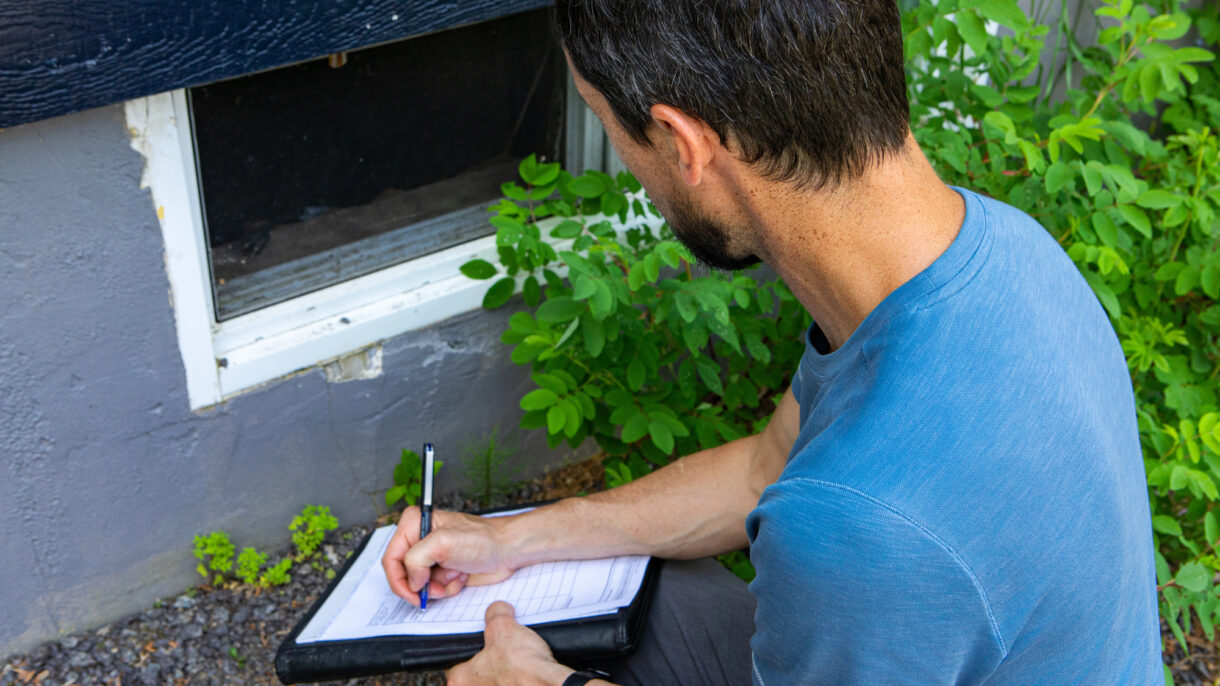
Damp survey involves an external inspection
A proper damp survey involves checking the building externally first, because many damp problems start outside. A surveyor will look at:
- roof defects, flashing, and slipped tiles
- gutters and downpipes (leaks and overflows)
- pointing, cracks, render/harling defects
- ground levels and drainage around the base of walls
- ventilation openings and sub-floor airflow
This is also where early damp proofing problems can be spotted, such as bridging at the damp proof course.
Internal inspection, moisture meter readings, and moisture levels
Inside, the surveyor should assess:
- walls, floors, skirtings, and other timber elements
- patterns of moisture and staining (including a ceiling if needed)
- ventilation and extraction in kitchens/bathrooms
- whether condensation is likely based on airflow and surface temperatures
A moisture meter is commonly used to take readings and understand moisture levels across an area. Crucially, the surveyor will be able to explain what those readings mean in context, rather than treating the meter as the final answer.
What to expect from your damp survey report
After the damp survey is carried out, you should receive a clear survey report that sets out:
- what was inspected and where
- the likely type of damp in each area (for example, penetrating damp, rising damp, or condensation)
- the most likely cause of damp
- recommendations for repair, prevention, and prioritisation
- whether further investigation is needed before finalising works
This is the practical value of the survey: it reduces uncertainty and gives you a path forward.
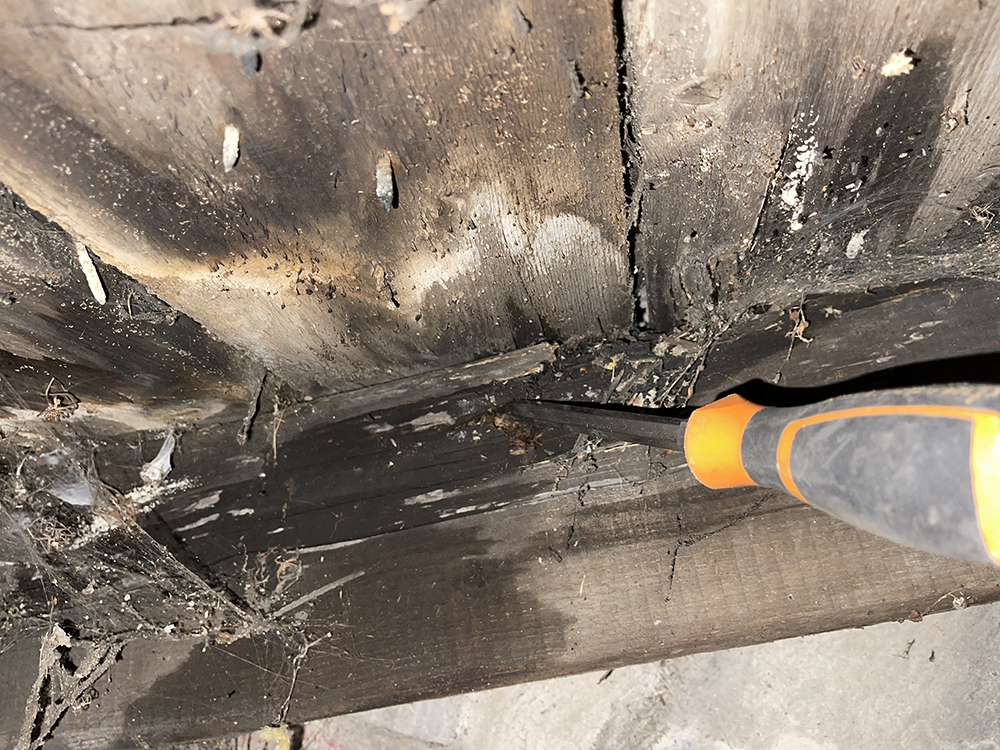
Damp and timber survey: when timber matters
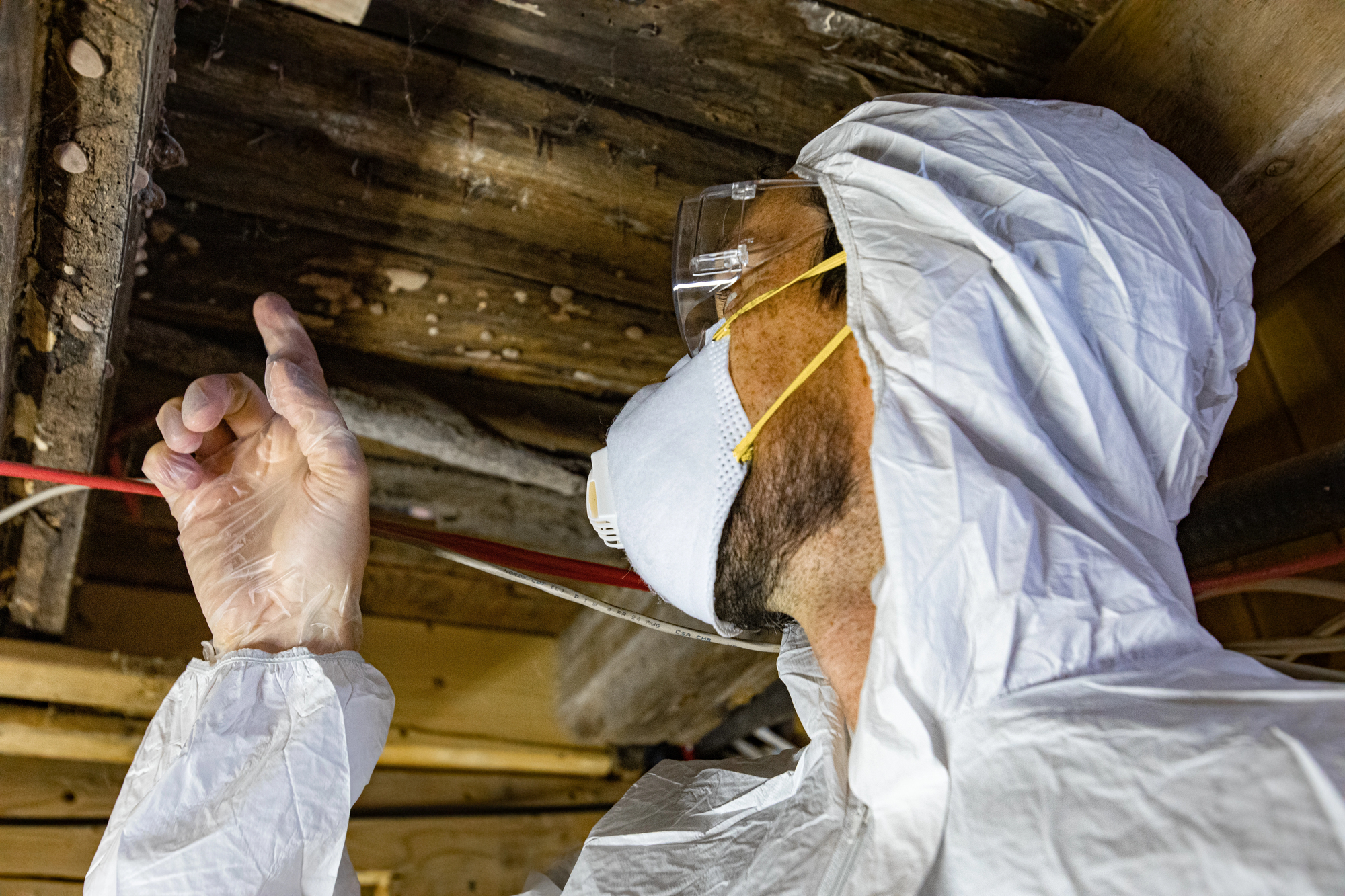
If you have concerns about rot, soft skirtings, or sub-floor ventilation, you may be advised to commission a damp and timber survey.
Damp and timber survey cost vs a basic damp survey
A damp and timber survey usually takes longer than a basic damp survey, because it includes additional checks on timber elements and conditions that may lead to decay.
As a result, the damp and timber survey often sits toward the higher end of typical pricing ranges, not because it’s “more expensive for the sake of it”, but because the scope and evidence required is greater.
In older Scottish homes, sub-floor ventilation, moisture build-up, and historic alterations can all contribute to timber risk. Where a timber survey is recommended, it is usually because the surveyor has found conditions that warrant a deeper look.
Selecting a surveyor: PCA, independent surveyor, and what “approved damp” really means
Choosing the right surveyor is one of the biggest factors in getting value from a damp survey.
PCA and Property Care Association qualifications
In the UK, many damp specialists hold training and qualifications accredited by the Property Care Association. Qualifications you may see include CSDB/CSTDB (damp/timber) and CSSW (structural waterproofing).
In plain terms, asking about PCA qualifications can be a practical way to filter for training and professionalism. This is why you’ll sometimes see terms like PCA damp, PCA damp survey, or PCA damp surveyor used across companies; they’re shorthand for recognised training routes and standards.
Independent surveyor vs sales-led inspection
It’s common to see “free surveys” offered, but a free visit is often a sales appointment for a specific system or damp proofing product.
If you need a written survey report for clarity, decision-making, or reassurance for mortgage lenders, you may prefer to pay for a damp survey so the service is focused on diagnosis and evidence rather than simply quoting a treatment.
This doesn’t mean every free inspection is poor. It means you should be clear on the purpose: quotation vs diagnosis.
Paying for a damp survey: is it worth it?
For many homeowners, the main reason to pay is simple: you avoid paying for the wrong fix.
Cost of a damp survey vs cost of fixing the wrong thing
The cost of a damp survey is often small compared to the cost of fixing problems incorrectly, especially when unnecessary treatments are installed, or a real defect is missed.
A damp survey offers the chance to:
- confirm whether you have a genuine damp problem
- identify the cause of damp
- prioritise the right repair
- reduce the risk of future, ongoing damp
For many people, that’s worth the fee for peace of mind.
Investing in a professional damp survey
If you’re repeatedly affected by damp, or the signs don’t match an obvious explanation, investing in a professional damp survey is usually a sensible step.
Damp survey on your property: how to book and what information to share
If you’re ready to proceed, you can get a damp survey booked quickly by sharing the right information up front.
Speak to a damp surveyor about your damp issue
When you speak to a damp specialist or damp surveyor, be ready to share:
- your postcode and the size of the property
- what you’ve noticed (including patches of damp, mould, and condensation)
- whether you’ve found damp after rain, in winter, or year-round
- whether there’s been previous damp proofing or a recent repair
- whether the survey is needed for reassurance or a transaction
This helps define the survey scope and allows the provider to confirm the price of a damp survey with fewer surprises.
Carry out the damp survey and receive the report
On the day, ensure access to relevant areas (loft hatch, under-stairs cupboards, external elevations). The provider should carry out the damp survey methodically and then issue the survey report.
How to book a damp survey with The Preservation Company
If you’re in Scotland and worried about damp, you can arrange a damp survey with The Preservation Company. Our team will help you understand the appropriate survey type (a basic damp survey or a damp and timber survey) based on your damp issue, your property type, and what you need the report for.
If you’d like to proceed, book a damp survey online with our guided form to speak to a damp surveyor about the next step.